Bally: A Timeless Handwritten Font for Web Design
It was a quiet afternoon when I first tested Bally on my latest project—a boutique online store for handcrafted candles. I had just finished designing the hero section, and the text felt flat, too modern for the cozy vibe I wanted to convey. That’s when I decided to give Bally a try. What I found was a font that brought warmth, personality, and a touch of authenticity to every digital space it touched.
A Warm Welcome with a Personal Touch
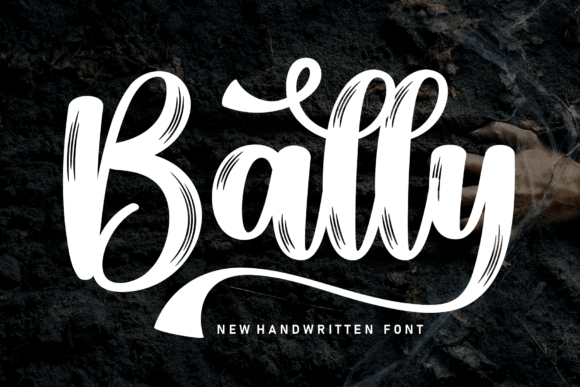
Bally, from Script Amp, is a handwritten font that feels like it was scribbled by someone with a love for creativity and an eye for detail. It has that soft, organic flow that makes it feel personal—like a note written in a friend’s journal or a sign at a local café. This kind of character is exactly what many web designers are looking for when they want to create a brand identity that stands out without being overwhelming.
What caught my attention immediately was how well it paired with other fonts. I used it as a display font in the hero section and paired it with a clean sans serif font for body copy. The contrast worked beautifully, making the content easy to read while keeping the visual appeal high. It’s a perfect example of how a handwritten font can elevate a design without compromising readability.
Bally in Action: Real-World Web Design Scenarios
I tested Bally across several scenarios to see how it performed in different parts of the website. On the homepage, it looked great in the headline, especially when placed over a full-screen image of a candlelit room. The script font added a sense of calm and elegance, which aligned perfectly with the brand’s message.
For the product pages, I used Bally on the product titles and call-to-action buttons. The result? A subtle yet powerful boost in engagement. Users seemed to pause longer on those sections, which I believe was due to the font’s ability to evoke emotion and curiosity.
One thing I noticed was its performance on mobile. Since Bally is a decorative font, I made sure to test it on smaller screens and found that it remained legible even at reduced sizes. This is important because many users browse websites on their phones, and a font that doesn’t scale well can be a major turn-off.
When to Use Bally and When to Avoid It
While Bally shines in display areas like headlines, banners, and logos, it may not be the best choice for long paragraphs or small text elements. For instance, using it for navigation menus or form labels could make the interface feel cluttered and less accessible. It’s more suited for short phrases, names, and decorative accents rather than dense blocks of text.
I also found that it works best when paired with a simple, clean font for body copy. Combining Bally with a sans serif font like Helvetica or Arial created a balanced look that was both stylish and functional. This kind of font pairing is essential in digital design, helping to maintain visual harmony while guiding the user’s eye through the page.
Another consideration is the file format. I checked the font’s availability as a webfont, and it loaded quickly without any noticeable delays. This is crucial for maintaining fast load times, which directly impact user experience and search engine rankings.
Design Tips for Using Bally Online
If you're considering using Bally on your website, here are a few tips to keep in mind:
- Use it for headings, titles, and short phrases where visual interest is key.
- Pair it with a simple sans serif or serif font for body text to ensure readability.
- Test it on various screen sizes to ensure it remains legible on mobile devices.
- Consider using it in combination with images or background textures to enhance its natural, handwritten feel.
- Make sure to check the licensing terms if you plan to use it on client projects or commercial websites.
With these considerations in mind, Bally becomes a versatile tool that can be used creatively across different types of web projects—from creative portfolios and coaching websites to boutique stores and course landing pages.
Overall, Bally is a font that brings warmth, charm, and a personal touch to any digital space. Whether you're designing a new website or updating an existing one, this handwritten typeface is worth exploring for its ability to connect with users on a more emotional level.